
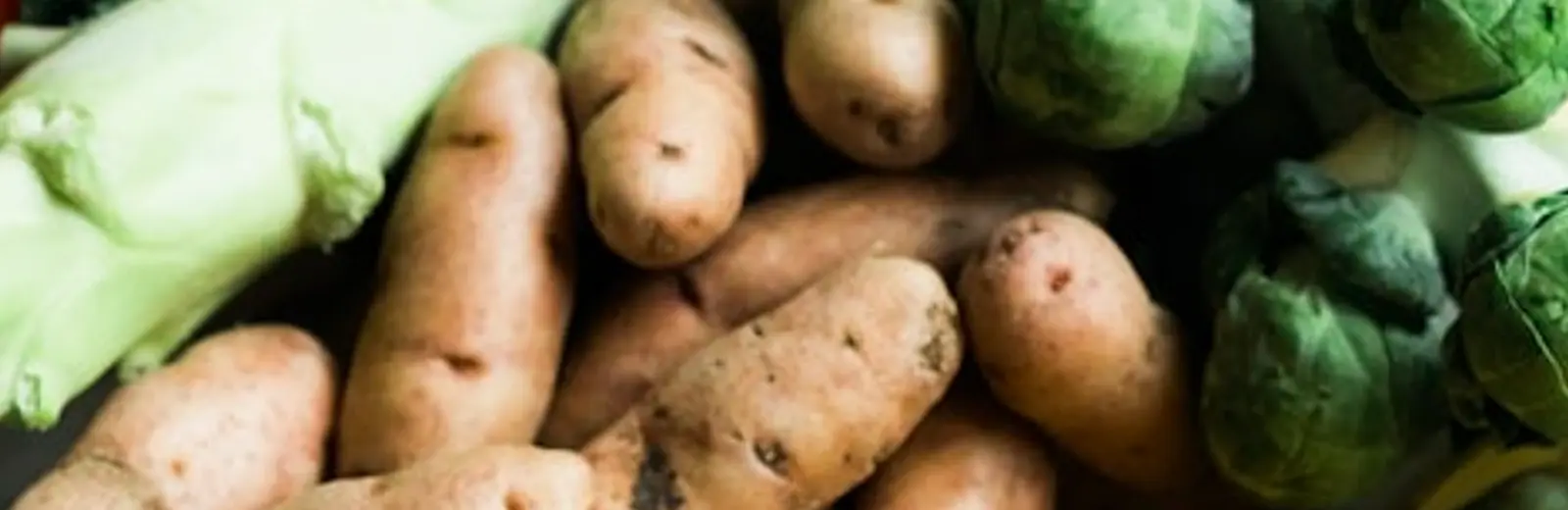
Food Storage for Emergencies
Food Storage for Emergencies
- 0 lessons
fromFree
Delivered as a scheduled course — online, live or in your workplace. Tell us your scheme and team size and we’ll confirm dates and pricing.
- ✓Scheduled delivery — online, live or on site
About this course
When
the winter season approaching it is always wise to be ready for the chance of
winter weather. Food storage is one of the most important roles of being
prepared for emergencies and natural disasters. How much food and which food
you should store will depend on members of your household, your preferences,
special health conditions, ability to use the food in an emergency and space
available for storage.
Disaster
has many faces: earthquake, fire, hurricane, tornado, severe thunderstorm,
winter storm, financial uncertainty, and more. Disasters can result in a
disruption of the normal services we come to expect and sometimes take for
granted. Examples are electricity, food, and water. Take for example Hurricane
Katrina in Louisiana in 2005. The actual hurricane lasted only a few hours but
it them took weeks to get electricity and water service back on for many
residents. The same occurred for grocery stores. Then, it took several more
weeks to re-establish food deliveries to stock the grocery stores. All-in-all,
it may have taken several months to return the area to its basic services of
food, water, and power.
Outline
This
executive course will cover in-depth the topics of what types of food should
you store? How much food should you store? How will you cook it? Does it need
to be refrigerated? How much water needs to be stored and how? Will these foods
go bad during storage? Can my family or I become sick if we store these foods
incorrectly? Can I throw these foods in my car in case I am forced to evacuate
my home? These are all questions that you need to consider in both your
planning and preparation stages.
Who
Should Attend?
Food
Storage for emergency is a management program. It aims to introduce you to key
storage operations best-practices and processes.
- ·
Operations and supply
chain managers
- ·
Food committee
- ·
Quality manager
- ·
Food Store manager
- ·
Food safety Officer
- ·
Food Safety Auditor
- ·
Food Executive
- ·
Risk management
- ·
Logistics
- ·
Cook
- ·
Academics and
researchers in food
- ·
Anyone who has
background in Food Sector
Objectives
This
course is about food processing and storage methods. This course will provide
the information about the different storage techniques that influence the
quality of food materials during processing.
This
course will also help to develop emergency food storage, emergency water, food
storage basics, canned food, fat & oil storage, dried food storage, grains,
lentils, & corn storage, miscellaneous
food storage, processes for higher quality stored foods, miscellaneous equipment.
INTENDED
LEARNING OUTCOMES
In
this modules, the participants will learn about what type of food should be
stored and how much food should be stored,
how will it be cooked, how to be refrigerated, how much water needed.
This
document will be an evolving document. It will be updated considering the
experiences and information emergency food storage, emergency water, food
storage basics, canned food, fat & oil storage, dried food storage, grains,
lentils, & corn storage, miscellaneous food storage, processes for higher
quality stored foods, miscellaneous equipment.
Study
Material
- ·
This training is based
on both theory and best practices used in Food Storage course
- ·
Lecture sessions are
illustrated with examples based on case studies
- ·
Practical exercises are
based on a case study which includes role playing and discussions
End
of course
After
completing the session and passing each session examination, the students can
take the final exam. Once the final exam is passed, then it is considered as an
end of course.