
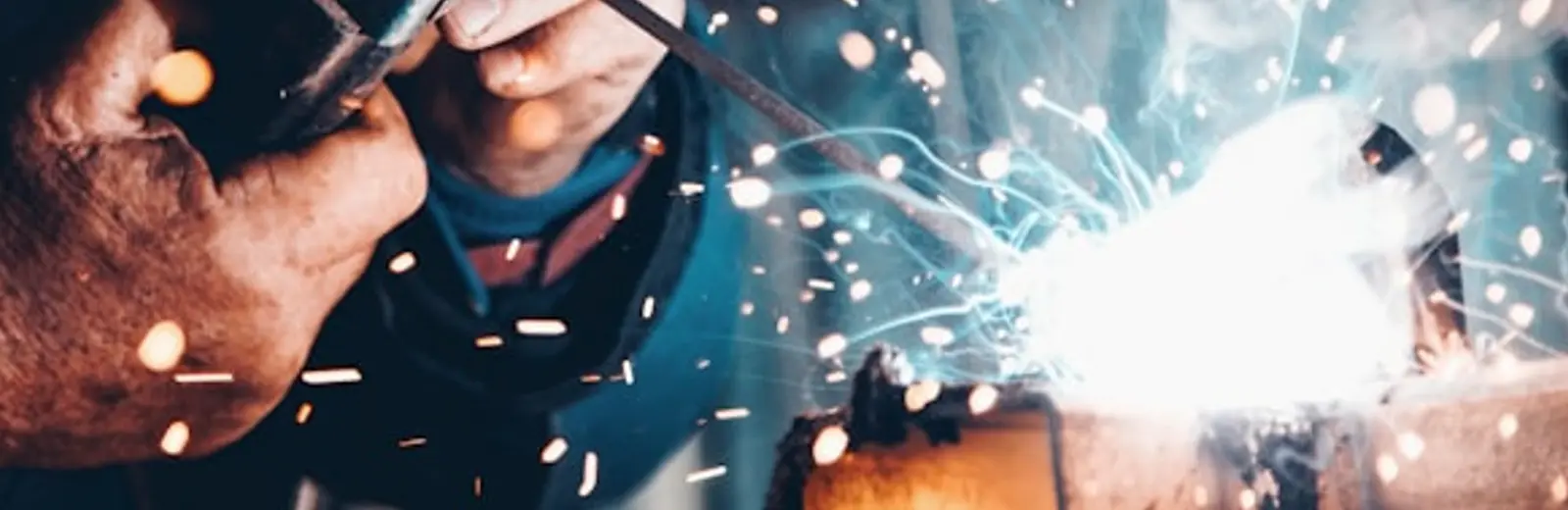
Mechanical Hazards Training
30
Exam questions
Earns a QR-verifiable Certificate of Training
Overview
About this course
Mechanical Hazard Training
COURSE
OVERVIEW
The
Mechanical Hazard Training Course is designed to educate participants on the
potential hazards associated with mechanical equipment, machinery, and
processes in various industrial settings. Participants will learn about
identifying, assessing, and controlling mechanical hazards to ensure a safe
working environment. The course will cover relevant regulations, safety
protocols, risk assessment methods, and best practices for preventing accidents
and injuries related to mechanical operations.
COURSE OBJECTIVE
- Understand
the concept of mechanical hazards and their significance in industrial
environments.
- Identify
common types of mechanical hazards encountered in workplaces.
- Learn
how to assess and evaluate mechanical hazards effectively.
- Implement
control measures to mitigate mechanical risks and ensure workplace safety.
- Familiarize
with relevant regulations and standards governing mechanical safety.
- Develop
strategies for promoting a culture of safety and risk awareness among workers
Who
should take this course?
The mechanical hazard training
course is designed for individuals who work in environments where mechanical
equipment, machinery, or tools are present, such as manufacturing facilities, construction
sites, warehouses, and industrial settings. This course is suitable for:
- Workers:
Employees who directly operate or work around mechanical equipment.
- Supervisors:
Those responsible for overseeing workers and ensuring safety protocols are
followed.
- Safety
Officers: Individuals tasked with developing and implementing safety procedures
within the workplace.
- Maintenance
Personnel: Technicians and engineers involved in the maintenance and repair of
mechanical systems.
- Health
and Safety Representatives: Individuals designated to represent the workforce
in health and safety matters.
It's important to note that while
the course provides valuable information and training, employers should also
ensure that specific on-the-job training and safety protocols are in place to
address the unique hazards present in their particular work environment.
COURSE
OUTLINE
Work Equipment Hazards and Control
Work Equipment
Examples of Work Equipment
Factors when installing a new machine
Work Equipment Precautions
Statutory Inspections
Selection of Guards
Hierarchy of Control for Guards
Mechanical Hazards
Mechanical Hazards: Entanglement
Mechanical Hazards: Trapping
Mechanical Hazards: Impact
Mechanical Hazards: Contact
Mechanical Hazards: Ejection
Abrasive Wheel (Grindstone)
Mechanical Hazards Drawings
Non-Mechanical Hazards
Preferred order of Guarding
Fixed Guard
Fixed Distance Guard
Fixed Guards
Interlock Guards
Automatic/Push away Guard
Trip Guards (Safety Devices)
Adjustable Guards
Self-Adjusting Guards
Two Hand Control Device
Photo-Electric Guards
Pressure Sensitive Pads
Other Protection Appliances
Other Machinery
Office Machinery Common Hazards
Office Machinery Other Hazards
Manufacturing/Maintenance Machinery
Agricultural/Horticultural Machinery
Retail Machinery
Construction Machinery
Hand-held Tools
Portable Power Tools
Deadly Maintenance: Conclusions
Areas of Maintenance
Maintenance Hazards
Machinery Hazards
Factors to Consider prior to Maintenance
Controlling Machinery Hazards
Assessment
After completing the session, the students will
be evaluated through a multiple-choice final exam. Once the final exam is
cleared the passing grade should be 70% then it is considered as an end of
course.
Duration/Discount
The training
session is scheduled to last for one day.
Skedmia intends to provide discounts to a starting of 4 to 5
individuals.
Disclaimer
The author
expressly disclaims responsibility for the accuracy, completeness quality of
the material given. This training does not imply that the provide materials
will ensure student mastery. This insinuates that it is the responsibility of
the students to further improve the knowledge and skills gained through this
training through in-field experiences and or other methods as applicable.
What you earn
A certificate anyone can verify in seconds
Score 70% or better on the final exam and Skedmia issues your Certificate of Training with a unique certificate number. Every certificate carries a QR code that resolves to our public register, so an employer or auditor can confirm it is genuine without contacting anyone.
Verified at skedmia.com/verify
Certified by
Syllabus
Course content
Keep browsing
More health & safety training
Basic First Aid
 FreeNew
Process Safety
HAZOP Essentials — Free 1-Hour Course with Certificate
 New
NewProcess Safety