
Free kit
Fire-Sprinkler-Systems
A practical programme for fire marshals, fire department personnel, safety managers & facility operations leaders, building the knowledge to understand, inspect, and restore fire sprinkler systems.
This module gives a clear, structured introduction to how fire sprinkler systems detect, discharge and control fire, and how fire department crews work with them on the fireground. It is a useful resource for fire marshals and firefighters, and equally for facility managers, students and anyone responsible for keeping sprinkler protection working.
What is inside:
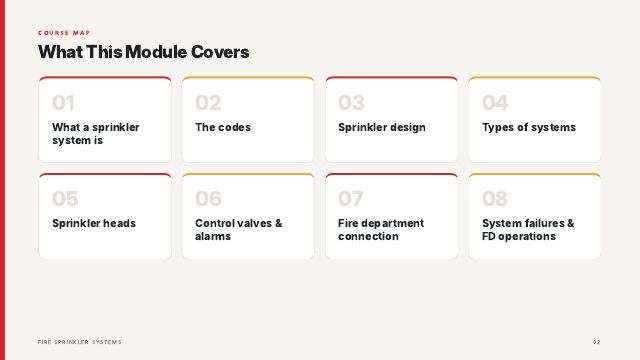
What a sprinkler system is: the water supply, pressure, piping and heads, a short history, and why sprinklers save lives
The codes: required and non-required systems, and what to do when a required system is out of service, including evacuation and fire watch duties
Sprinkler design: pipe schedule versus hydraulically calculated systems, and the General Information Sign required on new systems
Types of systems: wet pipe, dry pipe, deluge and pre-action, each with how it operates, where it is used, and how it is restored
Sprinkler heads: frangible bulb, fusible link and chemical pellet triggers, common head styles, anatomy, temperature ratings and colour codes, and the spare sprinkler cabinet
Control valves and alarms: OS&Y, PIV, PIVA and WPIV valves, plus hydraulic and electrical waterflow alarms
Fire department connection: purpose, location, height and signage requirements, safety hazards, common problems and fixes, and protective and security caps
System failures: why systems fail, including closed valves, inadequate water supply and changed occupancy, with a worked warehouse example
Fire department operations: supporting the system on arrival and on-scene rules for working with sprinklers
Who it is for
Fire marshals, firefighters, incident commanders, fire inspectors, safety and facility managers, building operators, students, and anyone responsible for sprinkler system readiness or emergency response.
How to use it
Use this module as a training course, onboarding resource, pre-incident planning aid, toolbox talk guide and quick reference for sprinkler system types, valves, FDC operations and restoration rules. The clear system-by-system structure and the real-world failure example make it practical for crews and facility teams alike.
What is in the kit
- Fire Sprinkler Systems897 KB
A look inside
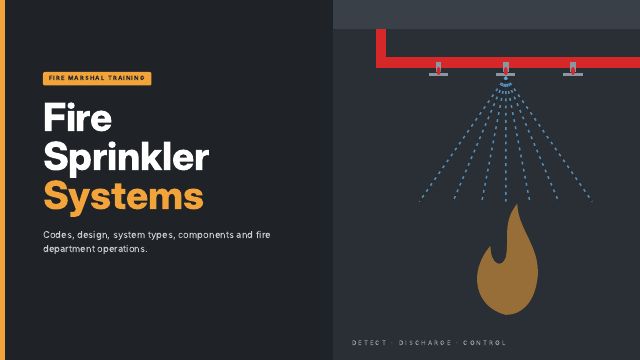
The first pages of Fire Sprinkler Systems. The full document downloads from the list above.
Questions people ask
Is the Fire-Sprinkler-Systems really free?
Yes. There is no payment and no trial. Tell us your name, work email and company once, and every document in the Free Zone is yours to download.
What format are the documents in?
This kit has 1 document in PDF format.
Can I use it inside my company?
Yes. The licence covers one organisation with unlimited internal use — print it, share it with colleagues and adapt it. Please do not resell it or republish it as your own.
Does this make us compliant with NFPA 13 / NFPA 25 / NFPA 13E / IFC?
No document can do that on its own. It is a practical working tool to help you prepare, check and improve. Conformity with NFPA 13 / NFPA 25 / NFPA 13E / IFC is decided by an audit of your actual system, and the standard itself remains the authoritative text.
Do you offer training on this topic?
Yes. Skedmia runs online courses with certificates on the standards and topics these kits cover — the matching courses are listed on this page.
More from the Free Zone
 FreeNew
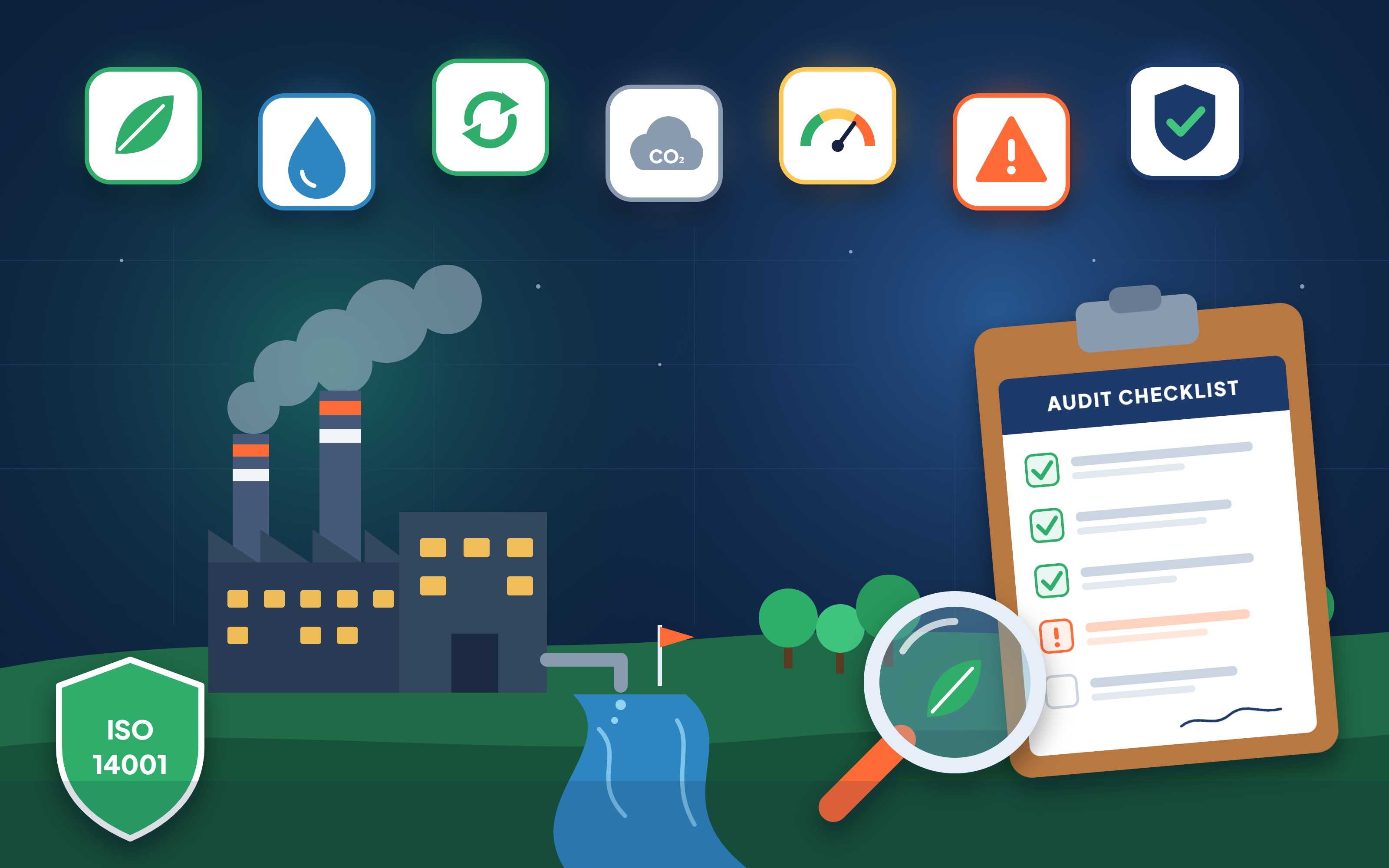
Environmental - Audit
A practical module for environmental, safety and operations professionals, covering how to plan, carry out and follow up environmental audits with confidence.
 FreeNew
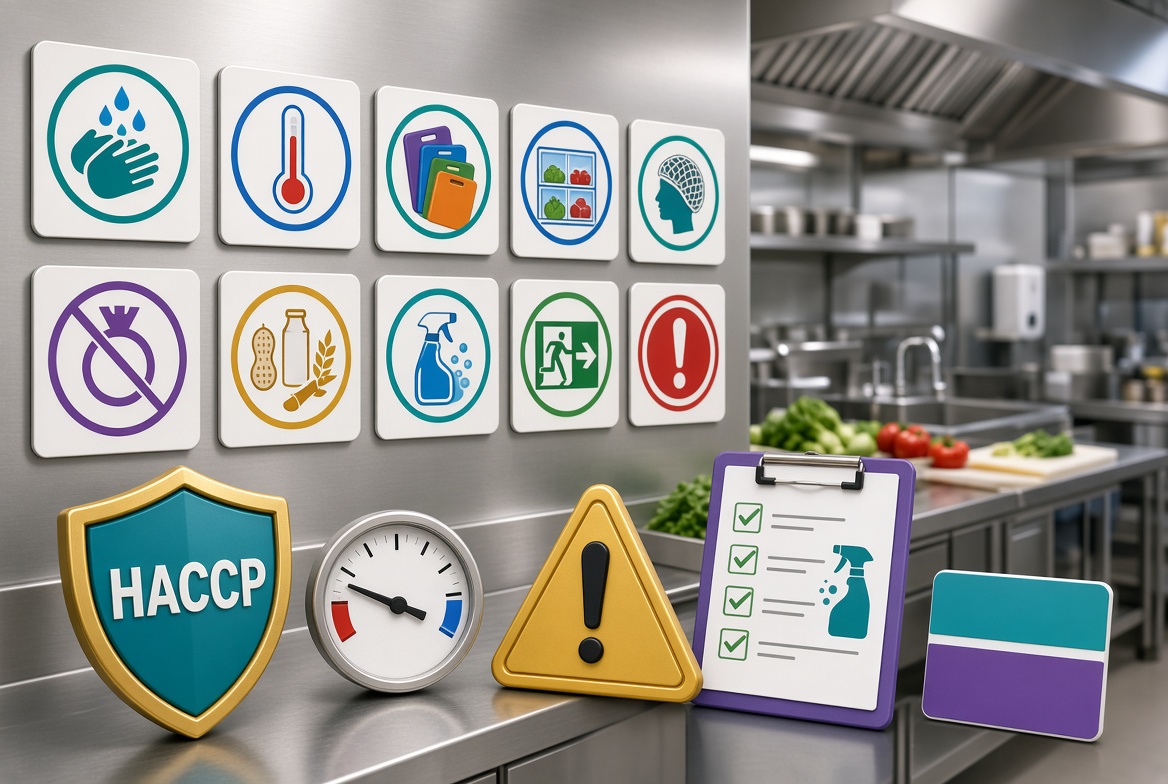
Food Safety Signs and Posters: Bilingual Hygiene, Temperature, Storage, Allergen & Safety Signage Kit
Hygiene, temperature, storage, allergens, hazards and workplace signs, in English and Arabic.
 FreeNew
Ammonia (NH₃ / R-717) Safety Masterclass: SS 683 & International Good Practice Kit
A complete industrial refrigeration safety programme — from understanding the hazard to preventing major incidents.