
Free kit
Web Application Security Lab: Find, Exploit & Fix SQL Injection, Authentication Bypass & Privilege Escalation (Flask, SQL Server, Burp Suite)
A hands-on lab report that builds a deliberately weak Flask login app, attacks it four ways, then fixes and re-tests it with secure coding.
This kit is a hands-on web application security lab report that walks through the full cycle of build it weak, attack it, assess it, then fix it. It uses a two-machine setup: a Kali Linux VM running a Python/Flask app with Burp Suite, and a Windows host running Microsoft SQL Server. It aligns with OWASP guidance and with ISO/IEC 27001 secure-development controls.
What is inside:
Introduction and aim: why injection and broken authentication rank among the most serious risks in the OWASP Top 10, with the four lab topics: SQL injection, authentication bypass, privilege escalation and request tampering. Lab environment and architecture: the attacker and web tier (Kali, Flask, Python 3 venv, Burp Suite proxy, pyodbc) connected over a host-only LAN to the data tier (SQL Server, SSMS, lab_db and its Users table). Phase 1, Build (Tasks 1–4): Python environment setup, database creation, the base Flask app with a protected /dashboard, and the login form.
Phase 2, Attack (Tasks 5–12)
SQL injection that skips the login, rated Critical. Authentication bypass where any password works, rated High. Privilege escalation through a one-line URL edit, rated High. Request tampering with Burp Suite, rated Medium. Vulnerability assessment (Task 13): four findings (1 Critical, 2 High, 1 Medium) with impact ratings, plus six recommendations: parameterised queries, hashed passwords, session-held roles, input validation, HTTPS with secure cookies, and rate limiting. Secure coding (Task 14): before-and-after fixes for each weakness, three hardened code snippets, and six controls: parameterised queries, session-based login, server-decided roles, input validation, safe logout and salted hashed passwords. Verification (Tasks 15–16): six re-tests that all pass, plus a findings dashboard with colour-coded severity and a CSV report export. Conclusion: five lessons (treat all input as hostile, always use parameters, enforce access on the server, get sessions right, layer your defences) and real-world SQL-injection breaches (Heartland, Sony Pictures, TalkTalk).
Who it is for: cybersecurity students, aspiring penetration testers and AppSec engineers, web developers learning secure coding, trainers running security labs, and security teams building developer awareness.
How to use it: use it as a step-by-step lab workbook, a secure-coding teaching aid, a sample vulnerability assessment report template and a re-test checklist. Run the attacks only in the isolated lab described in the kit. It shows how a few basic flaws can lead to full compromise, and how a handful of server-side fixes close them.
What is in the kit
- Web Application Security Lab293 KB
Next step
Learn to use it properly — with a certificate
The documents tell you what to check. These courses teach you how to audit and implement it, online and at your own pace.
Questions people ask
Is the Web Application Security Lab: Find, Exploit & Fix SQL Injection, Authentication Bypass & Privilege Escalation (Flask, SQL Server, Burp Suite) really free?
Yes. There is no payment and no trial. Tell us your name, work email and company once, and every document in the Free Zone is yours to download.
What format are the documents in?
This kit has 1 document in PPTX format. The Word, Excel or PowerPoint files are fully editable, so you can adapt them to your organisation.
Can I use it inside my company?
Yes. The licence covers one organisation with unlimited internal use — print it, share it with colleagues and adapt it. Please do not resell it or republish it as your own.
Does this make us compliant with OWASP secure coding guidance/ ISO/IEC 27001:2022/ ISO/IEC 27002:2022/ ISO/IEC 27034/ ISO/IEC 29147?
No document can do that on its own. It is a practical working tool to help you prepare, check and improve. Conformity with OWASP secure coding guidance/ ISO/IEC 27001:2022/ ISO/IEC 27002:2022/ ISO/IEC 27034/ ISO/IEC 29147 is decided by an audit of your actual system, and the standard itself remains the authoritative text.
Do you offer training on this topic?
Yes. Skedmia runs online courses with certificates on the standards and topics these kits cover — the matching courses are listed on this page.
More from the Free Zone
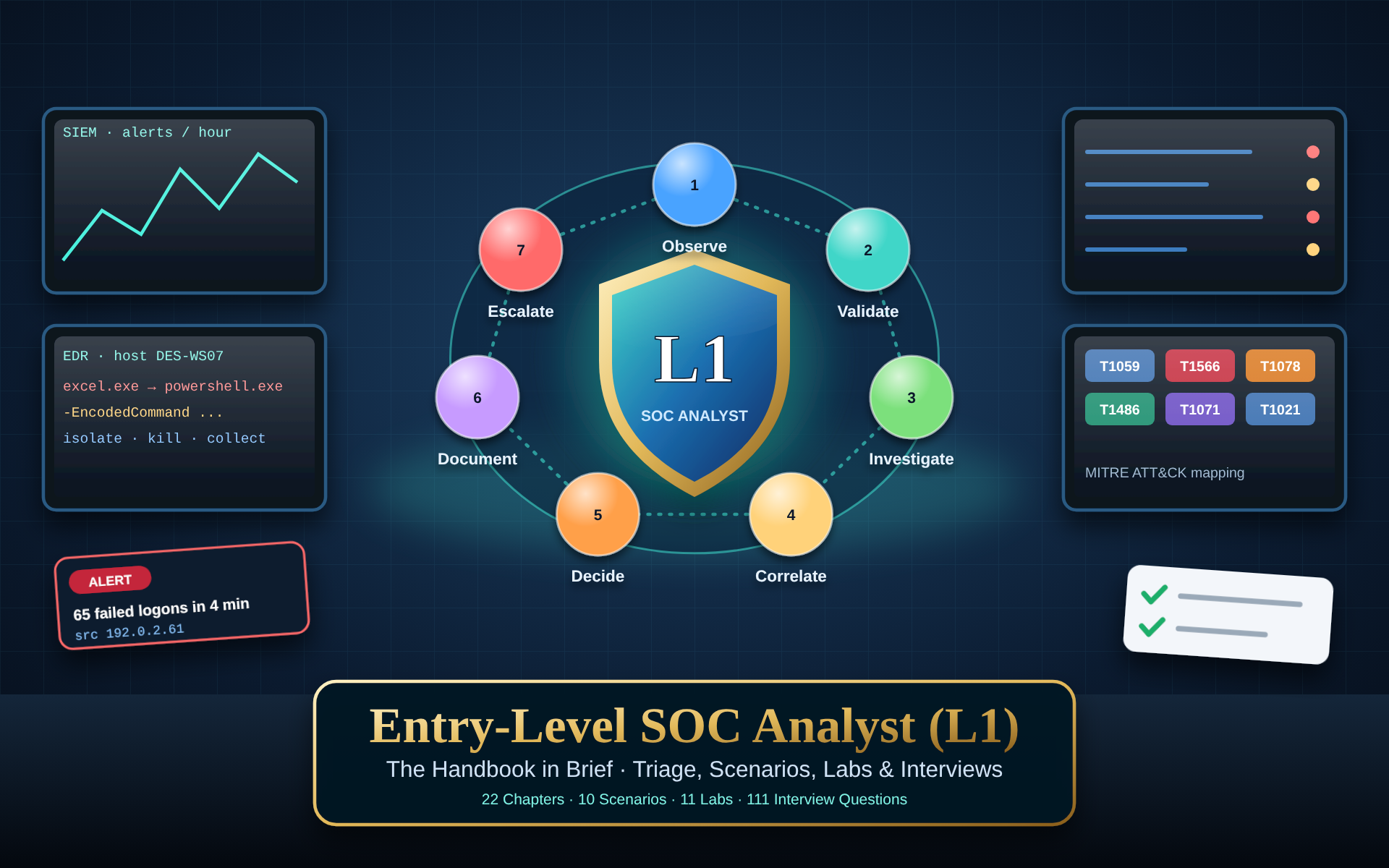 FreeNew
SOC Analyst (L1) Masterclass: Triage Method, 10 Incident Scenarios, 11 Labs & 111 Interview Questions Kit
A condensed SOC analyst handbook that takes a new analyst from SOC basics and alert triage to incident scenarios, hands-on labs and interview readiness.
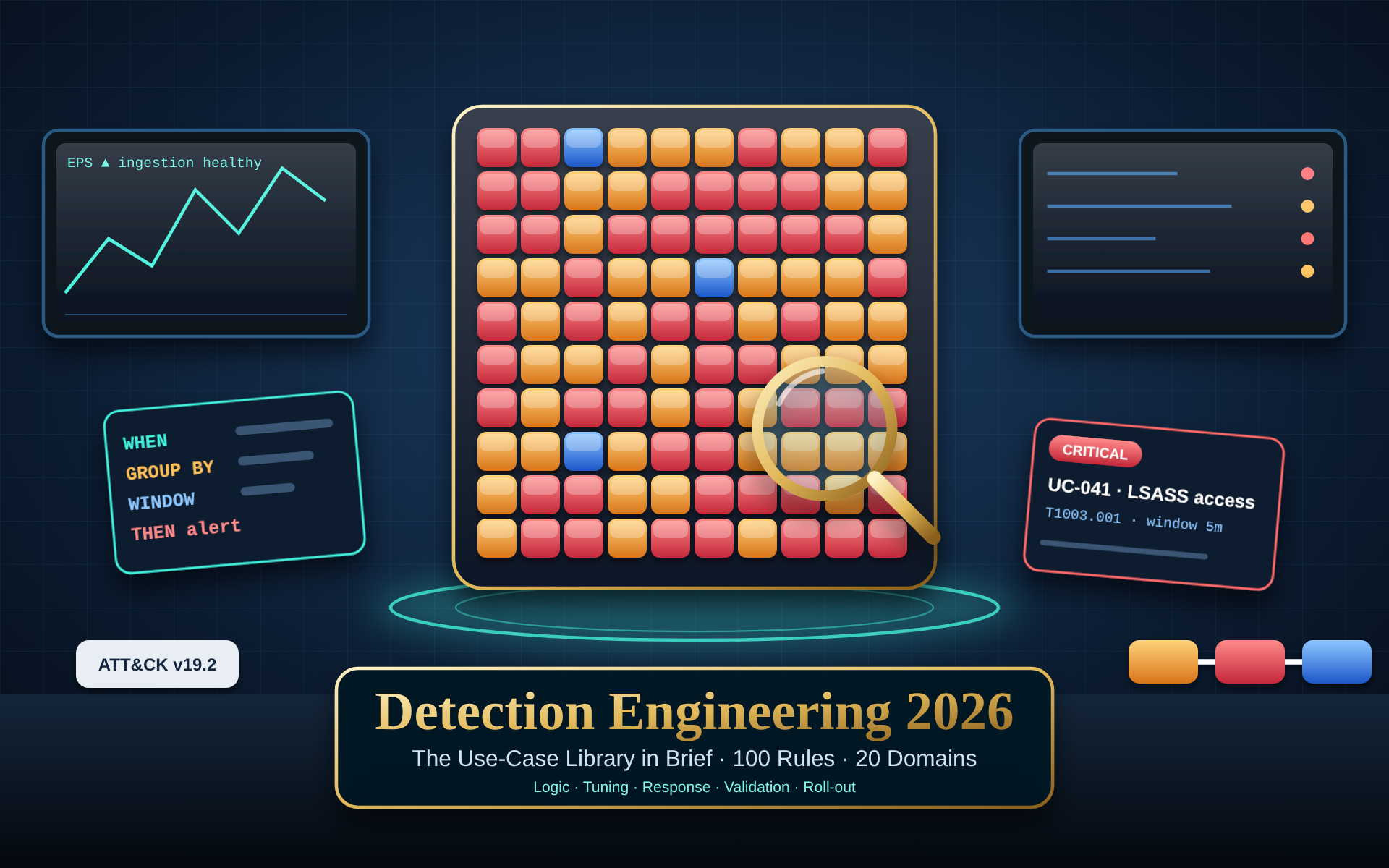 FreeNew
Detection Engineering 2026: 100 SIEM Use Cases, ATT&CK v19.2 Mapping, Tuning, Response & Validation Kit
A 40-page summary of 100 detection rules across 20 domains, with tuning, investigation, response, validation and roll-out guidance.
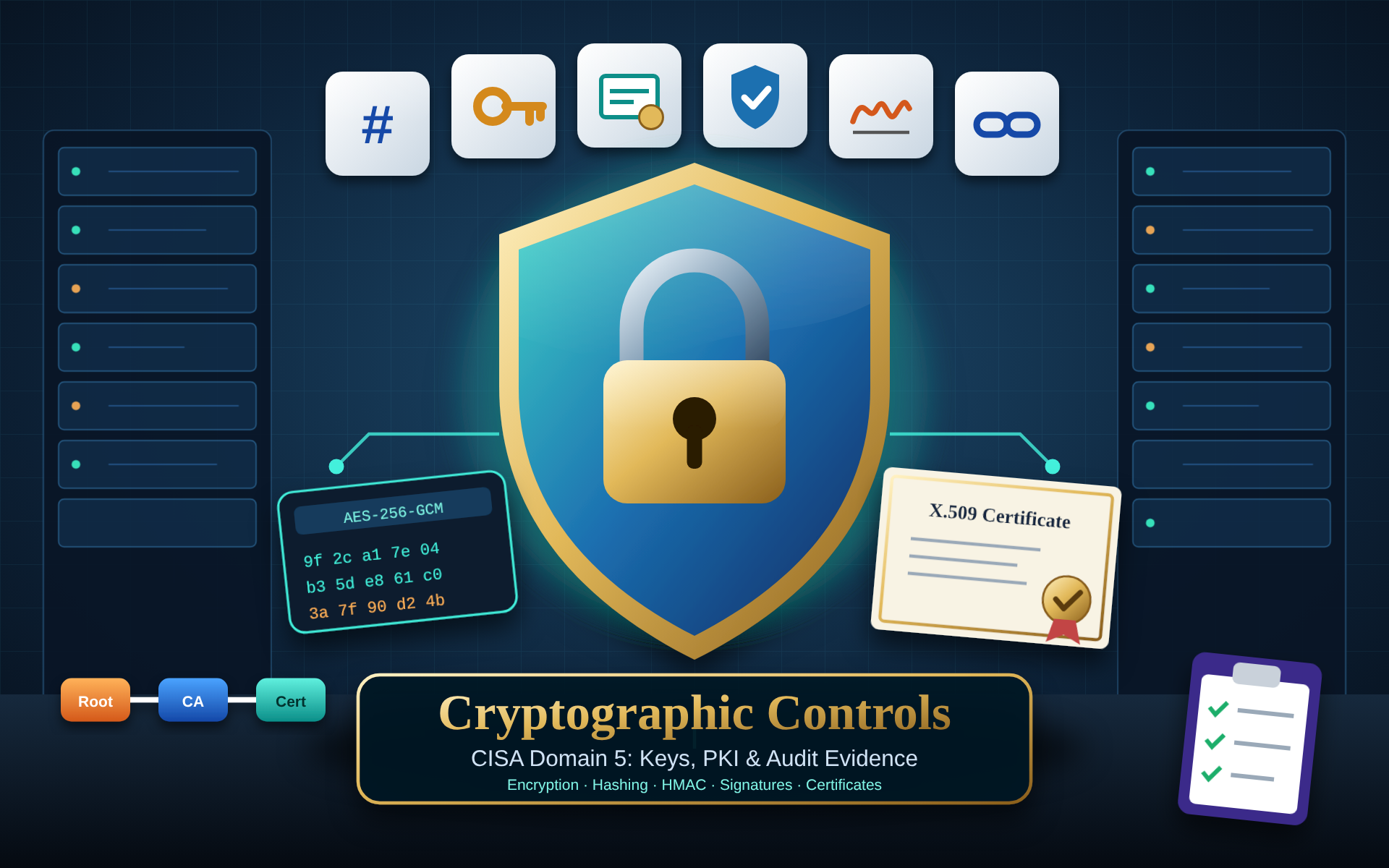 FreeNew
Cryptographic Controls Study Deck
A CISA Domain 5 study deck on cryptographic controls, covering techniques, PKI, key management and audit evidence, with practice questions.