
Free kit
SOC Analyst (L1) Masterclass: Triage Method, 10 Incident Scenarios, 11 Labs & 111 Interview Questions Kit
A condensed SOC analyst handbook that takes a new analyst from SOC basics and alert triage to incident scenarios, hands-on labs and interview readiness.
This kit provides a structured, entry-level SOC analyst handbook in condensed form. It turns the full 22-chapter programme into tables, recaps and short scenarios, built around the analyst’s loop: Observe → Validate → Investigate → Correlate → Decide → Document → Escalate. It aligns with ISO/IEC 27001 logging and monitoring controls and ISO/IEC 27035 incident-handling practice, and maps findings to MITRE ATT&CK.
What is inside:
Foundations (Chapters 1–5)
The three SOC tiers (L1 triage, L2 investigator, L3 hunter/IR) and a typical shift. Core concepts: event vs alert vs incident, IoC vs IoA, TTPs, baseline, false vs true positive, severity vs priority. Security principles: CIA, AAA, least privilege, defence in depth, zero trust, MFA and push-bombing. The three credential attacks (brute force, spraying, stuffing). Networking (OSI layers, key ports and protocols) and operating-system essentials. Data and tools (Chapters 6–9): log analysis, SIEM essentials (Splunk, Microsoft Sentinel, IBM QRadar, Elastic Security), EDR actions (isolate, kill, collect) and the SOC toolkit (VirusTotal, Wireshark, SOAR). Threats and frameworks (Chapters 10–13): malware and phishing essentials, MITRE ATT&CK in practice, and threat intelligence with STIX/TAXII.
Investigation in action (Chapters 14–17)
Alert triage method. Ten incident scenarios: repeated failed logins, success after many failures, impossible-travel login, suspicious PowerShell, malware on an endpoint, a reported phishing email, suspicious outbound connection, possible ransomware, possible data exfiltration, and a compromised user account. Documentation and incident-report structure. Eight SOC metrics (MTTD, MTTA, MTTR and others). Beyond the alert queue (Chapters 18–19): detection engineering basics (signature vs behavioural detection, tuning from real cases) and cloud security basics (CloudTrail, IAM privilege escalation, exposure first). Job readiness (Chapters 20–22): 11 hands-on labs, 111 interview questions across four rounds (core knowledge, applied reasoning, judgement calls, reading the evidence) and quick-reference sheets. Closing: a study route and twenty takeaways.
Who it is for: aspiring and new SOC analysts, career changers, IT helpdesk and sysadmin staff moving into security, students and bootcamp learners, and SOC team leads who train new joiners.
How to use it: use it as a self-study handbook, an onboarding programme for new L1 analysts, a triage checklist, a lab workbook and an interview-preparation pack. It helps learners triage correctly, document clearly and escalate with confidence.
What is in the kit
- Entry Level SOC Analyst L1 The Handbook in Brief569 KB
Next step
Learn to use it properly — with a certificate
The documents tell you what to check. These courses teach you how to audit and implement it, online and at your own pace.
Questions people ask
Is the SOC Analyst (L1) Masterclass: Triage Method, 10 Incident Scenarios, 11 Labs & 111 Interview Questions Kit really free?
Yes. There is no payment and no trial. Tell us your name, work email and company once, and every document in the Free Zone is yours to download.
What format are the documents in?
This kit has 1 document in PPTX format. The Word, Excel or PowerPoint files are fully editable, so you can adapt them to your organisation.
Can I use it inside my company?
Yes. The licence covers one organisation with unlimited internal use — print it, share it with colleagues and adapt it. Please do not resell it or republish it as your own.
Does this make us compliant with ISO/IEC 27001:2022/ ISO/IEC 27002:2022/ ISO/IEC 27035/ ISO/IEC 27037/ ISO/IEC 27004/ ISO/IEC 27017/ ISO 22301?
No document can do that on its own. It is a practical working tool to help you prepare, check and improve. Conformity with ISO/IEC 27001:2022/ ISO/IEC 27002:2022/ ISO/IEC 27035/ ISO/IEC 27037/ ISO/IEC 27004/ ISO/IEC 27017/ ISO 22301 is decided by an audit of your actual system, and the standard itself remains the authoritative text.
Do you offer training on this topic?
Yes. Skedmia runs online courses with certificates on the standards and topics these kits cover — the matching courses are listed on this page.
More from the Free Zone
 FreeNew
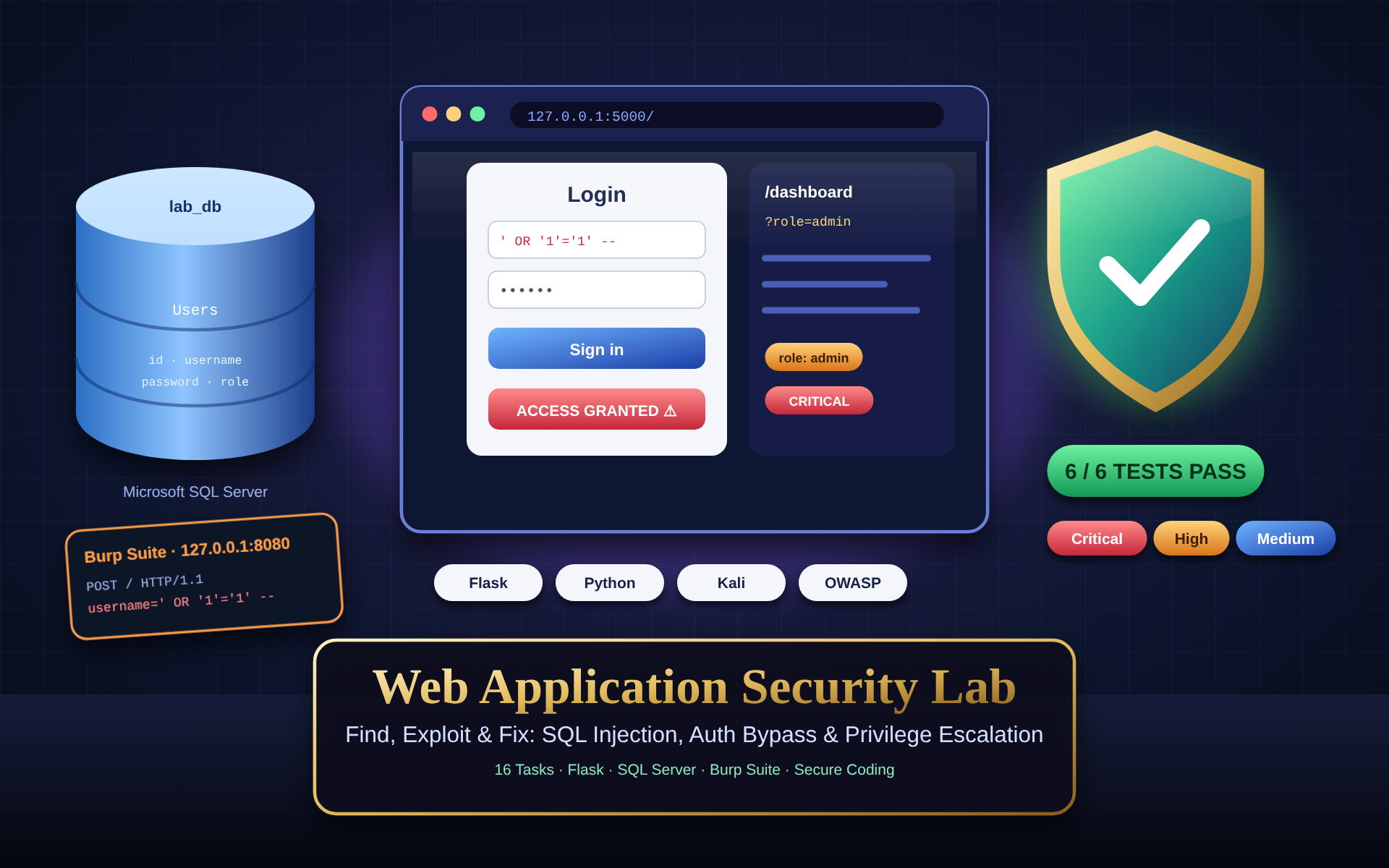
Web Application Security Lab: Find, Exploit & Fix SQL Injection, Authentication Bypass & Privilege Escalation (Flask, SQL Server, Burp Suite)
A hands-on lab report that builds a deliberately weak Flask login app, attacks it four ways, then fixes and re-tests it with secure coding.
 FreeNew
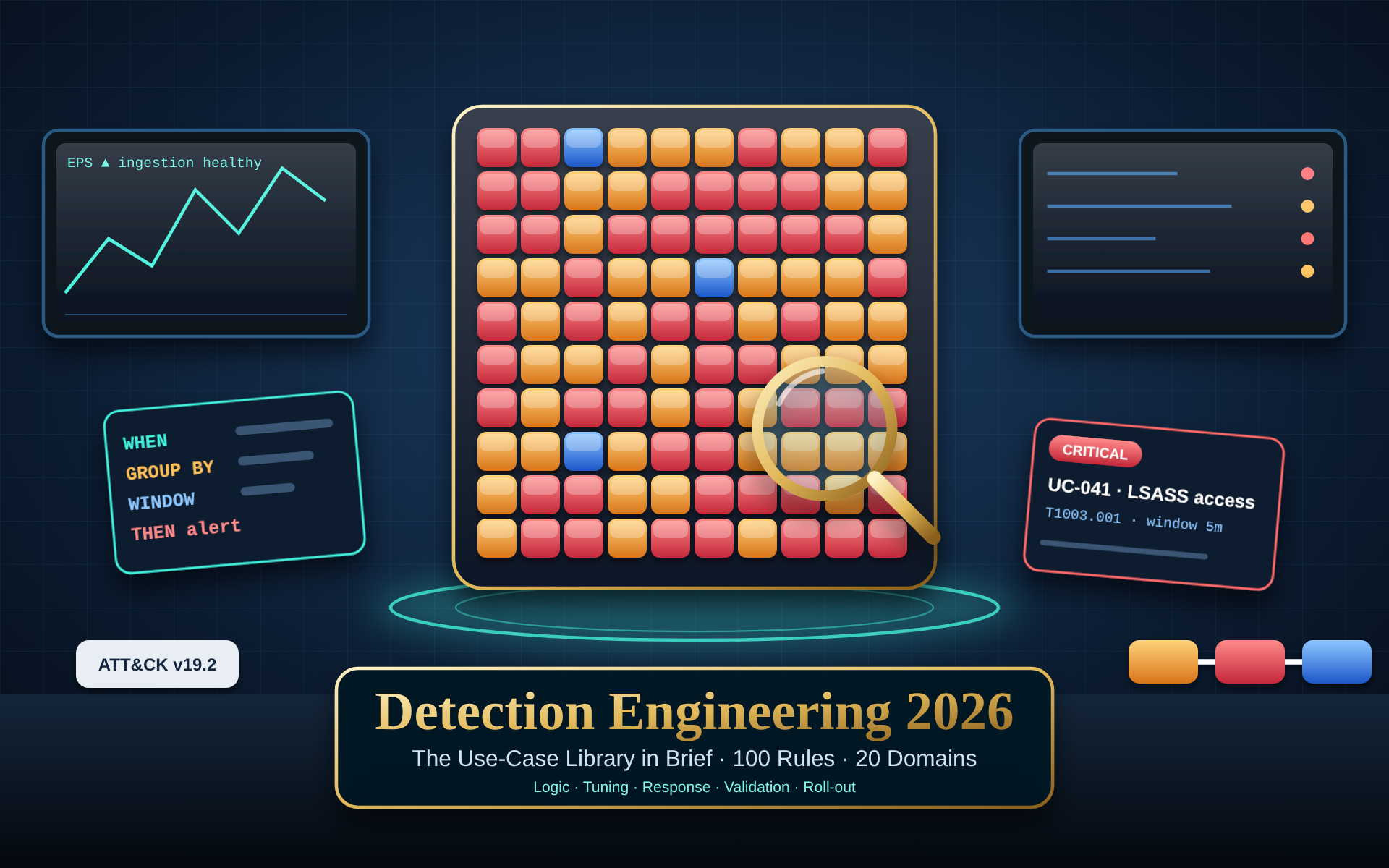
Detection Engineering 2026: 100 SIEM Use Cases, ATT&CK v19.2 Mapping, Tuning, Response & Validation Kit
A 40-page summary of 100 detection rules across 20 domains, with tuning, investigation, response, validation and roll-out guidance.
 FreeNew
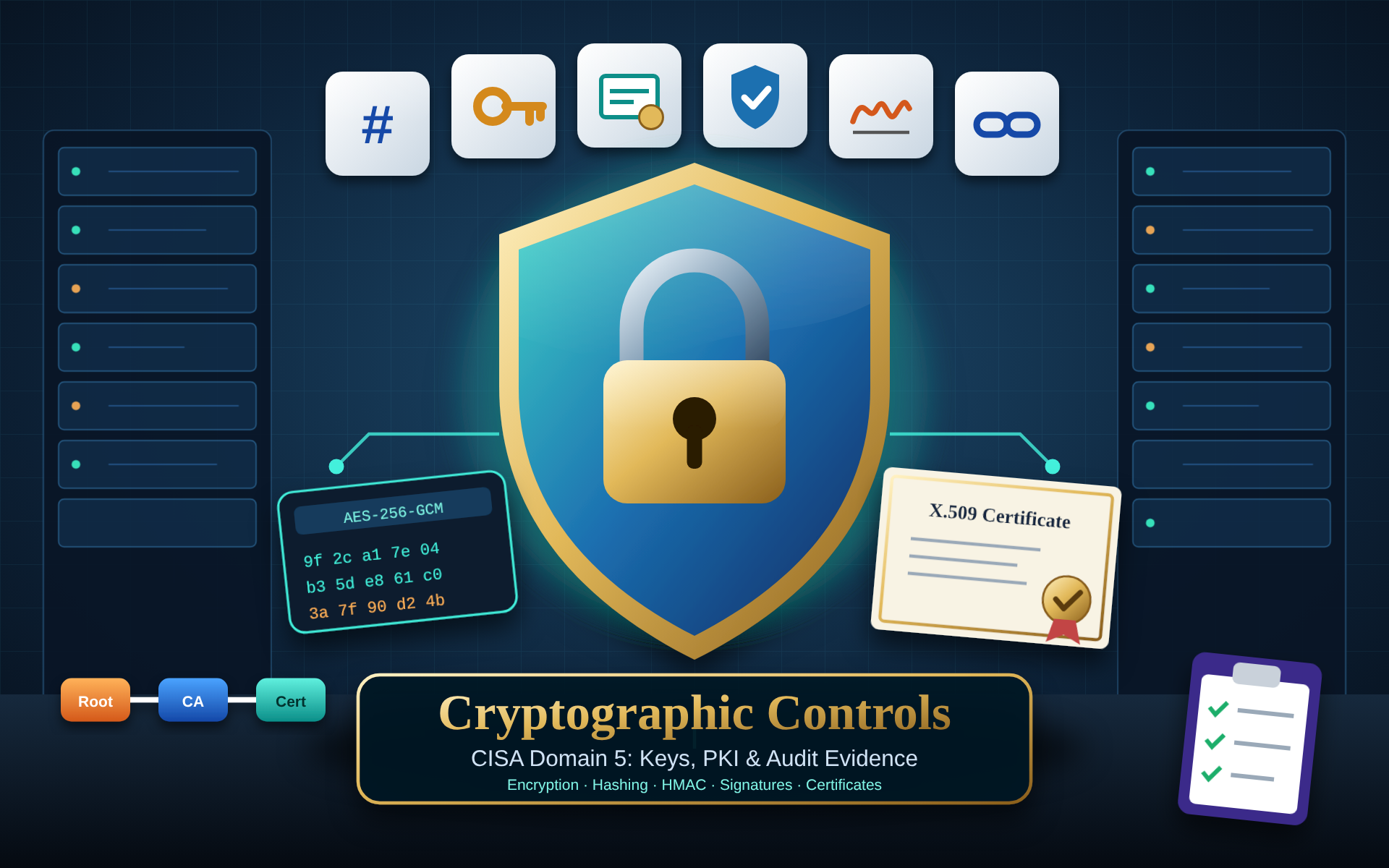
Cryptographic Controls Study Deck
A CISA Domain 5 study deck on cryptographic controls, covering techniques, PKI, key management and audit evidence, with practice questions.